The Gluzy Farm
Zelig Potok's farm at Gluzy, near Działoszyce: the family who lived there, the partnership with his nephews Moses and Yerachmiel Lazerowitz, what happened in 1942, and the survivors' fight to get it back.
The place
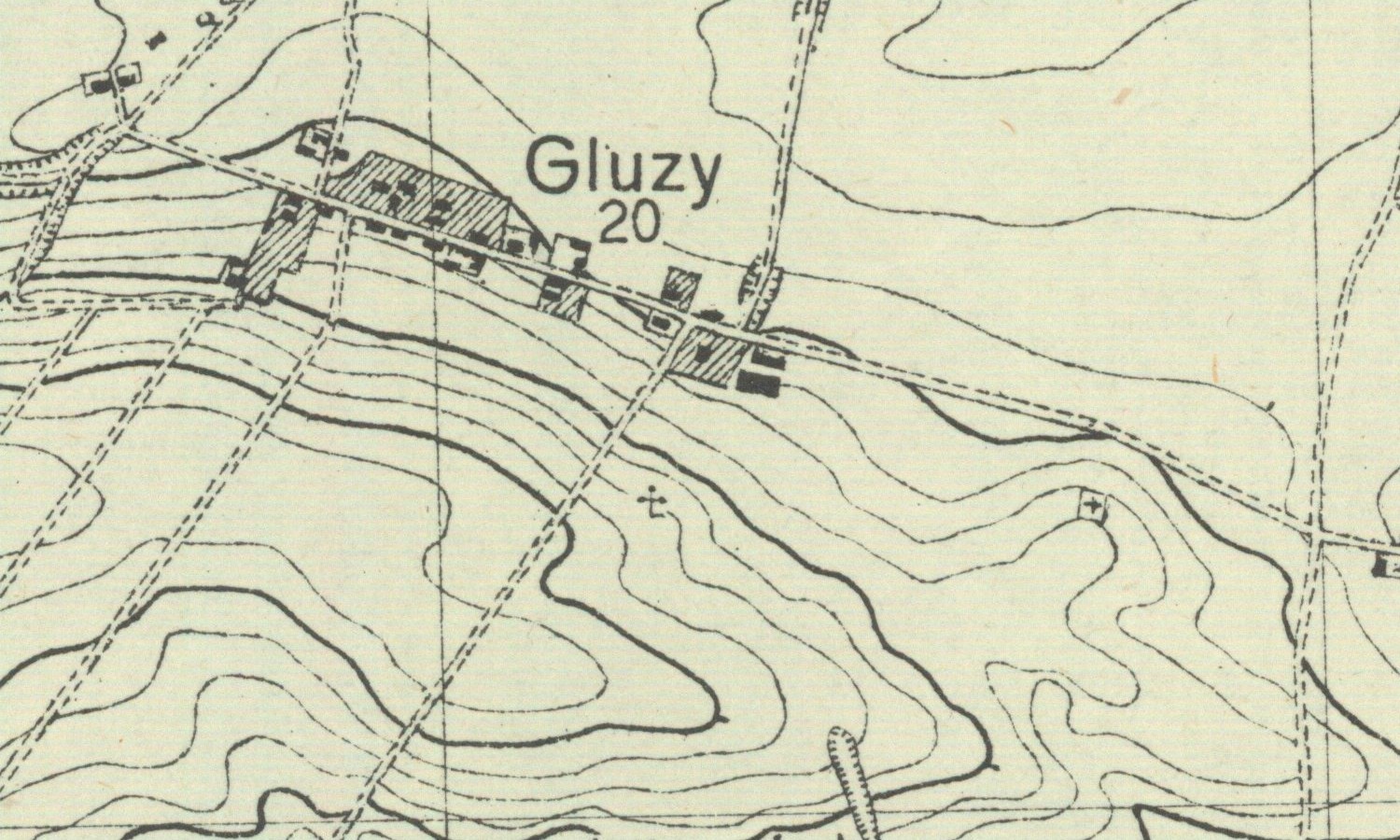
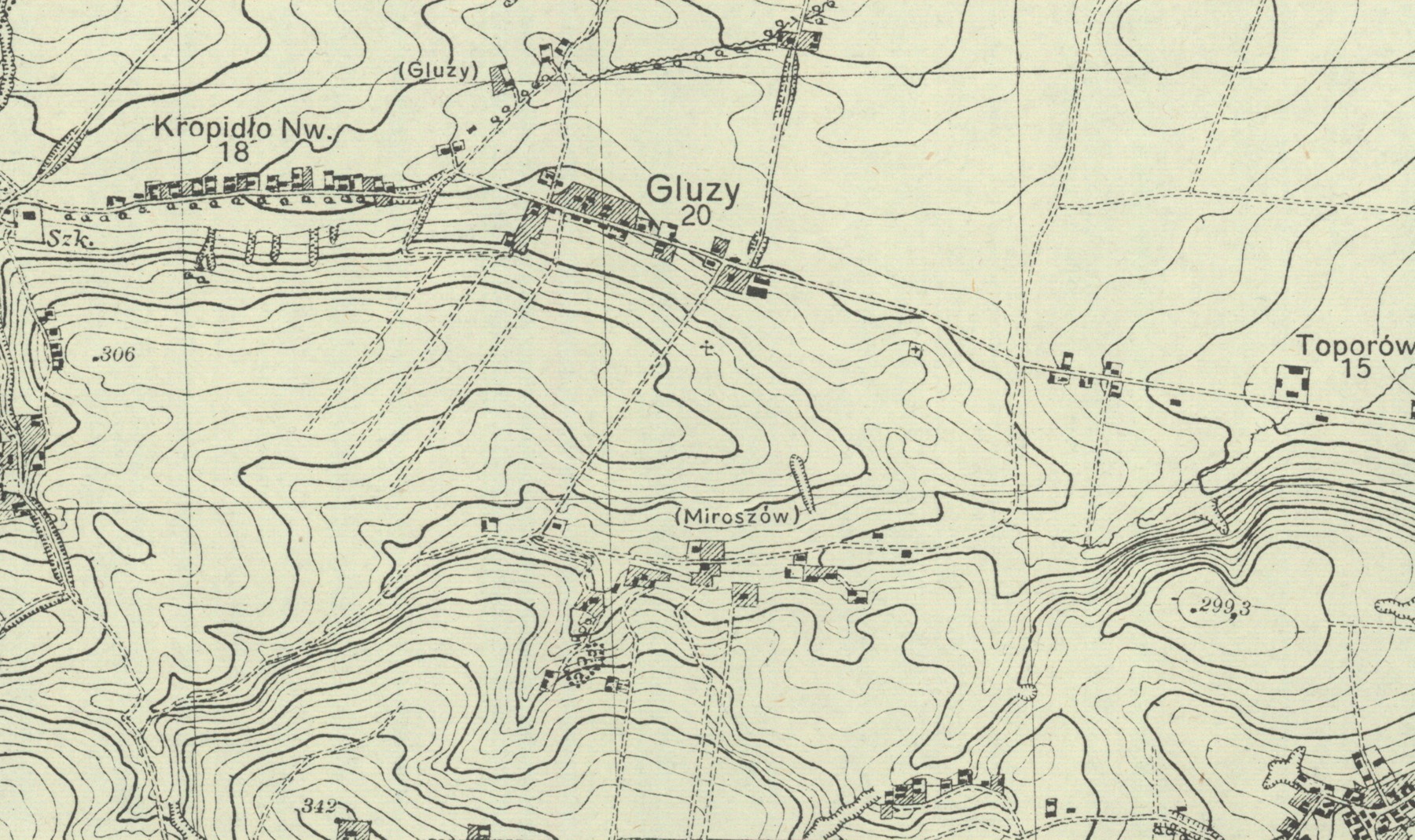
“Gluz” in Moses Lazerowitz's memoir is Gluzy, a small village that is today part of Kropidło, in the gmina of Słaboszów, Miechów county, southern Poland. Before the war it belonged to the gmina of Nieszków and the parish of Słaboszów, a few kilometres west of the market town of Działoszyce. In the nineteenth century Gluzy was a village with a manor farm (folwark) on the Dziaduszyce estate; from 1928 the manor was parcelled out and sold to small buyers through the State Agricultural Bank.
The family
Zelig Potok, known locally as “Zelig Gluzen” or “Zelig Gluzher”, was a Jewish farmer who owned about 50 morgen of land at Gluzy. He was a son of Kalman Potok and Jenta née Zuchter of Miechów, and a brother of Sarah (Sura) Potok, Moses Lazerowitz's mother. His wife Keila (Kaila) née Ostrowska was born about 1878 in nearby Słaboszów. The Działoszyce memorial book (1973) independently records him: “Zelig Potok, or Zelig Gluzen, was the owner of 50 acres of land in the village of Gluzy. His daughter survived and lives in Israel.”
They had nine children. Moses names them in his memoir, and a family tree kept by Hinda's relatives on Geni lists the same nine:
- Gittel (Gitel), married Baruch Hershkovitz of Sosnowiec
- Esther
- Faigel, married Yosef Lewkowicz, of the neighbouring farm family
- Rivkah (Regina), married her cousin Yerachmiel Lazerowitz
- Sarah (Sarka)
- Yentil (Yaja)
- Chava (Eva)
- Kalman
- Hinda (Hinde Reisel), the youngest, the only one to survive
The partnership, 1931
In 1931 Moses Lazerowitz, then a master tailor with a coat shop on Modrzejowska Street in Sosnowiec, joined his brothers in buying a one-third share of their uncle Zelig's farm. In his own words, Hinda's father “had been a partner with my brother Yerachmiel and me in the farm we owned.” Moses's brother Yerachmiel married Zelig's daughter Rivkah, binding the two families twice over.
The war
In 1942 the Jews of the villages around Działoszyce were driven into the Działoszyce ghetto, and in September most were murdered or deported. Zelig and most of his children were killed. Keila and her daughter Faigel were murdered at Majdanek; Gitel, her husband Baruch Hershkovitz and their sons David and Yosef were murdered at Auschwitz in 1943. Gitel's daughter Rachel survived Ravensbrück and reached Israel in 1949. Yerachmiel and his family hid in the Gluzy fields before fleeing toward Nowo-Radomsko, where they were caught and murdered. Faigel's husband Yosef Lewkowicz died at Auschwitz.
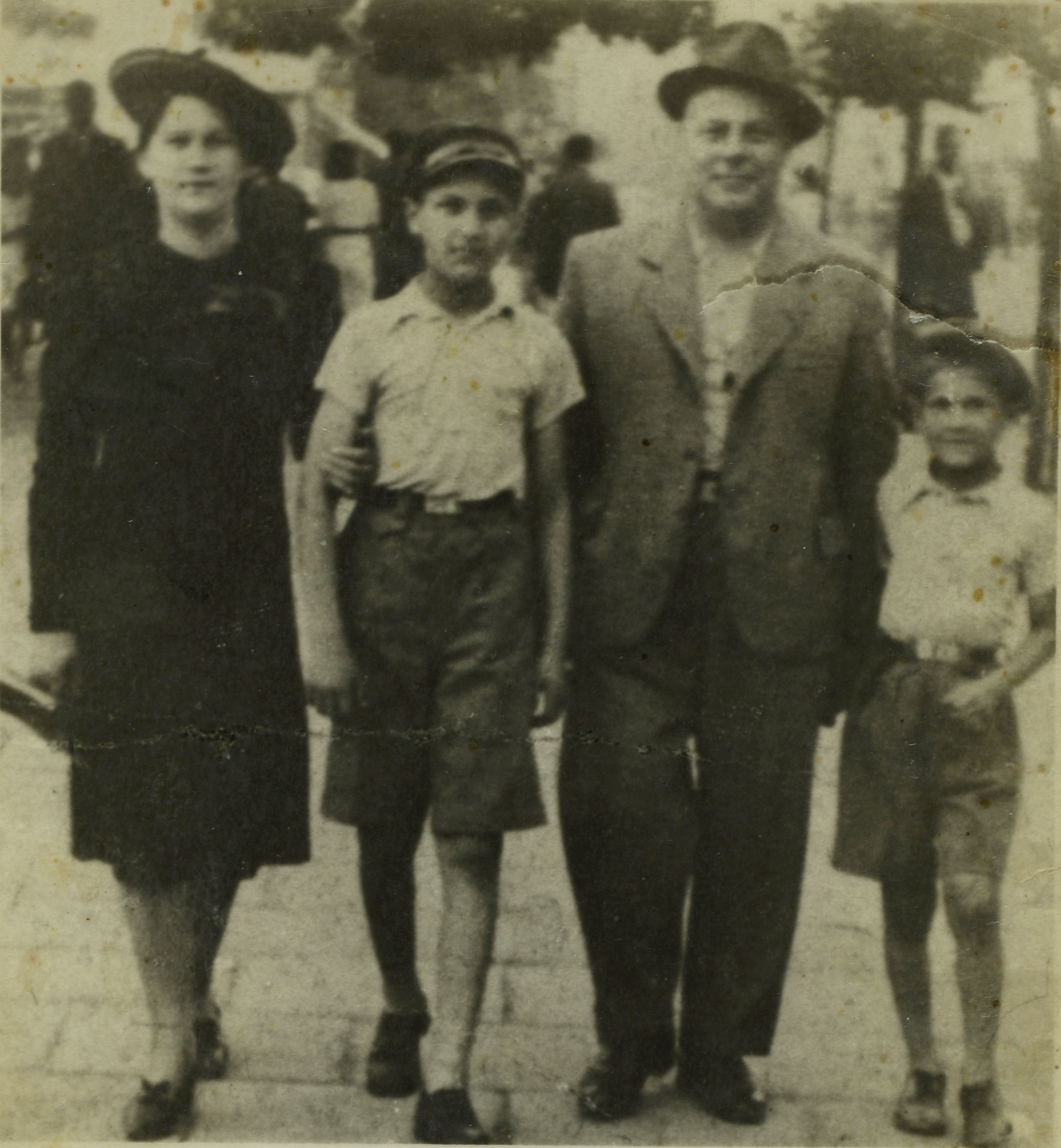
Hinda survived the camps. A Flossenbürg prisoner list records her as prisoner 63897; Moses recalled that she was liberated in the Grünberg labour camp near the Czech border, a Gross-Rosen women's camp whose prisoners were later marched into the Flossenbürg system.
Hinda goes home, 1945
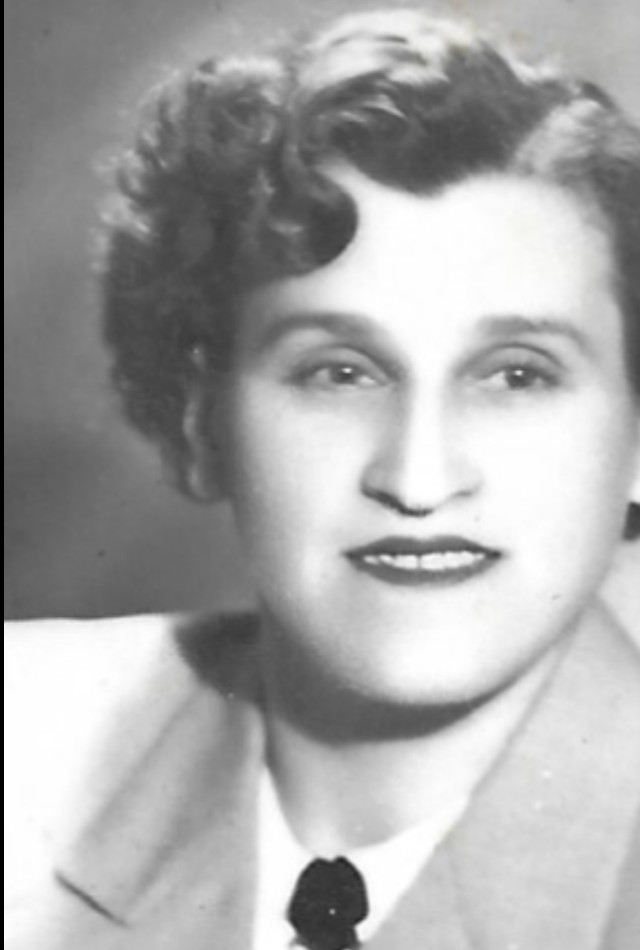
Right after liberation Hinda went alone to Gluzy. A peasant family was living in the house. The farm dog still knew her; the former farmhands fed her and told her she would need a court order. She stayed in Działoszyce, about six kilometres away, until one night Poles attacked the Jews who had come back and killed several of them. She fled to Sosnowiec, where in 1946 she registered with the Central Committee of Polish Jews at Targowa 15, and where her cousin Moses found her.
The courts, 1945–48
Hinda hired a Miechów lawyer, Kerzch, and Moses joined the claim as Zelig's partner. The first hearing was at the Miechów court in the autumn of 1945, the week the Selichot prayers began. The police refused them an escort, so a Jewish Soviet major lent them a soldier with a machine gun. The courtroom was full of former farmhands, who at first denied knowing her and then admitted she was “the youngest daughter of Zelig and Kaila Potok”. The new government had leased the farm to its pre-war workers as a collective, and the farmhouse had become a school for the village children. The judge, afraid of the crowd, gave no ruling and sent the file to Kraków, where a lawyer from the Jewish Committee, Dr. Zweig, warned that the case would drag on for political reasons.
What became of the land
About 1947–48 the final ruling came: because the fields were leased to local peasants and the house was a public school, the family would be given “a property of comparable value” in the former German territories in the west. Moses, by then in Bayreuth, thought it worthless to them. The farm was never returned. Hinda married David Herskowicz and later settled in Israel, where she died on 16 May 2012; she is buried in Hod HaSharon.
Still being searched
The court and land files have never been scanned. In October 2026 these archives were asked for them:
| Archive | What was asked for |
|---|---|
| National Archive in Kraków | State Agricultural Bank files on the parcelling of the Gluzy estate (1928–51); the 1947–50 card index of abandoned Jewish farmland in Miechów county |
| State Archive in Kielce | Miechów municipal court files, 1945–50 (death declarations, inheritance, restitution); 1950 farm lists for gmina Nieszków; Działoszyce and Miechów civil registers for Zelig and Keila's marriage and Hinda's birth |
| Jewish Historical Institute, Warsaw | The Central Committee's legal-department file on the restitution claim, and the Działoszyce survivor lists |
| Gmina Słaboszów | Where the post-war school in the Potok house stood, and whether the building survives |
| Arolsen Archives | The survivors' post-war files: Hinda, Kalman Potok, Moses, and others |
Sources
- Moses Lazerowitz, Zeidy's Book (Yiddish memoir, 1972; English translation), pp. 240–300: part 1, part 2
- Moses Lazerowitz, USC Shoah Foundation testimony 27036 (1997): English translation; Lazer Lazerowitz, testimony 37182: English translation
- Działoszyce memorial book (1973), “Jews with Estates”, p. 90 (JewishGen translation)
- Central Committee of Polish Jews registration card for Hinda Potok (ŻIH, via USHMM); Flossenbürg prisoner list (USHMM)
- Geni: profiles of Zelig Potok, Keila Ostrovski and Hinda Reizel Potok
- Yad Vashem Pages of Testimony for Keila (filed 1957 as Keila Ostrowski), Feiga Lewkowicz née Potok, and Gitel Hershkovitz née Potok (filed by her daughter Rachel)
- WIG 1:25,000 map, sheet Słaboszów (1937), Polona