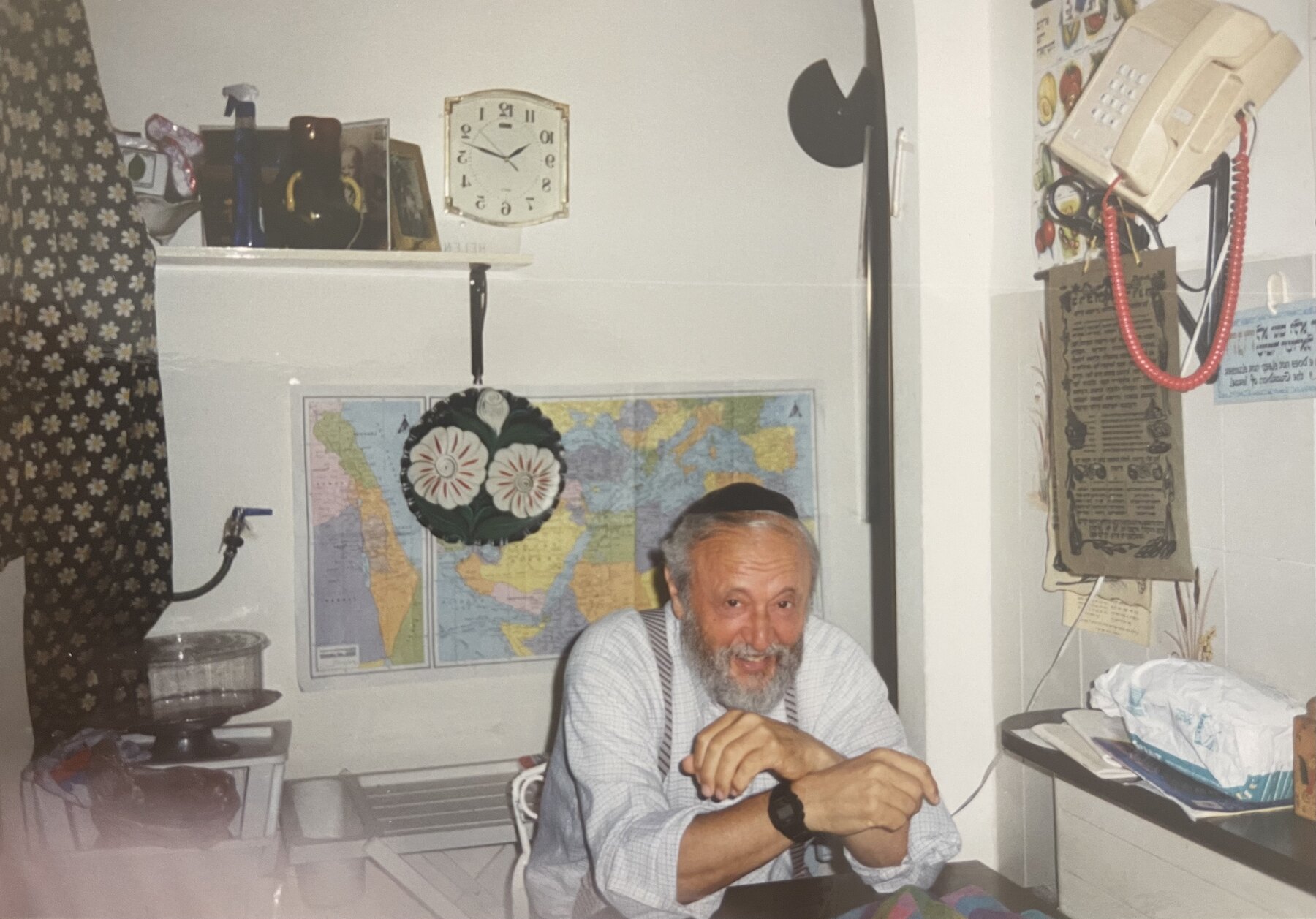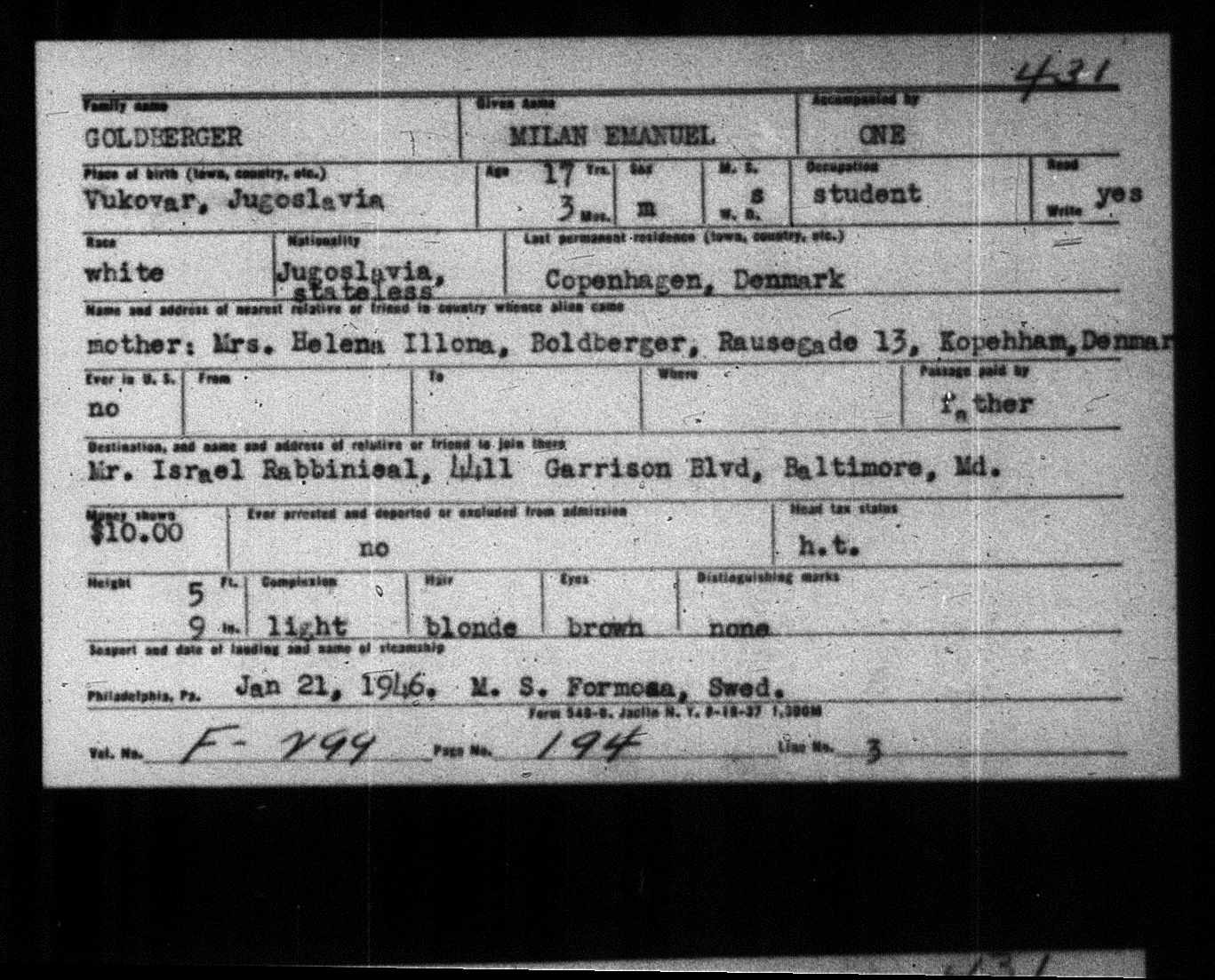



For a long time the Goldberger line of cantors stopped at Emanuel (Manó) Goldberger. The family remembered that Emanuel’s father had also been a cantor, and that his Hebrew name was Yaakov, from the way the names alternated down the generations: Menashe ben Yaakov ben Menashe ben Yaakov. As Milan put it, “it went back and forth.” But no document named him. The registers of Emanuel’s birthplace now point to a man called Markus Goldberger, born at Nagy-Kosztolány (Veľké Kostoľany), near Pöstyén, probably about 1807, who served the Jewish community of Nagy-Zsámbokrét (Žabokreky nad Nitrou) for at least 39 years.
His roots were in Kosztolány. The 1828 tax census of that small town lists eleven Jewish taxpayers and no Goldberger, but entry 64 is simply ‘Jud. Schachter’: the Jewish shochet, married, a sub-tenant, written down by his trade with no name at all. It may be Markus himself, then about 21, or his father; the record cannot say. He was not yet among the 24 Jewish taxpayers of Zsámbokrét that year, so he moved there sometime between 1828 and 1840. Other Goldbergers stayed in Kosztolány: Simon Goldberger, Ignaz Goldberger, whose son Jakab Goldberger became the town’s shochet and mohel, and a second Markus, a merchant. They were very likely his brothers or cousins, though the link is not proven.
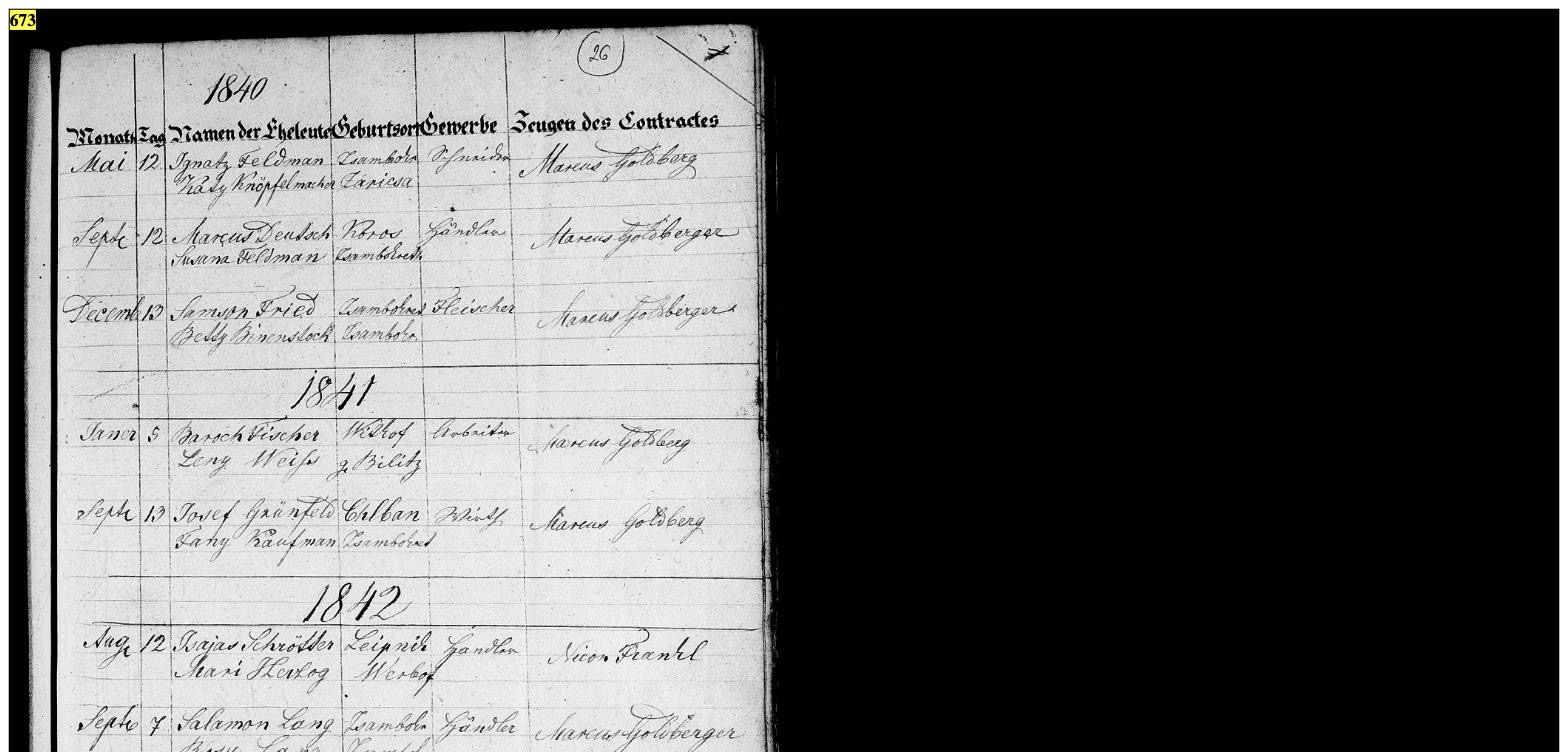
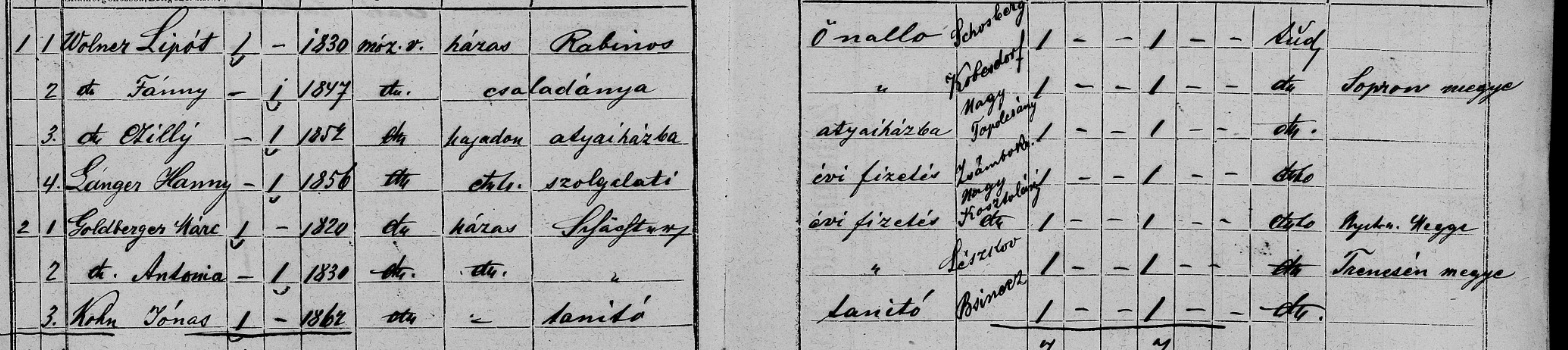
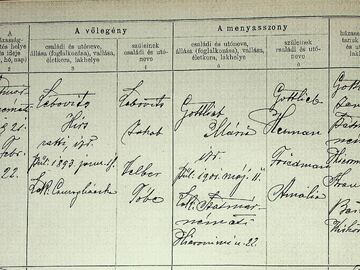
When the Zsámbokrét community opened its register, the Matrica Buch, in 1840, Markus was already in office. From the very first wedding, on 12 May 1840, ‘Marcus Goldberg’ signs in the column for witnesses to the marriage contract, and through 1870 he witnesses about 120 of some 165 Jewish weddings in the village, roughly three of every four. The census of 1869 finds him in house 49, beside the rabbi Lipót Wolner, as ‘Marc Goldberger’, Schächter (ritual slaughterer) on an annual salary. In a village community the shochet and the cantor were very often the same man, who led the prayers, slaughtered for the kitchens and handled the paperwork of weddings.
Markus married three times. Laura Weisz, named as Emanuel’s mother in his 1919 death record, had died by 1869, and Emanuel later named a daughter Laura for her. Debure (Devorah) died at Zsámbokrét in December 1864, aged 50; she was almost certainly Markus’s wife, and probably the mother of Lipót (Leopold), the prayer leader born at Zsámbokrét about 1840 and very probably Markus’s son, who named his first daughter Deborah. By 1869 Markus was married to Antonia, born about 1830. His children were all born before the village birth register begins in 1842: Emanuel about 1837, Lipót about 1840, and perhaps a daughter, Bettie, who married there in 1862.
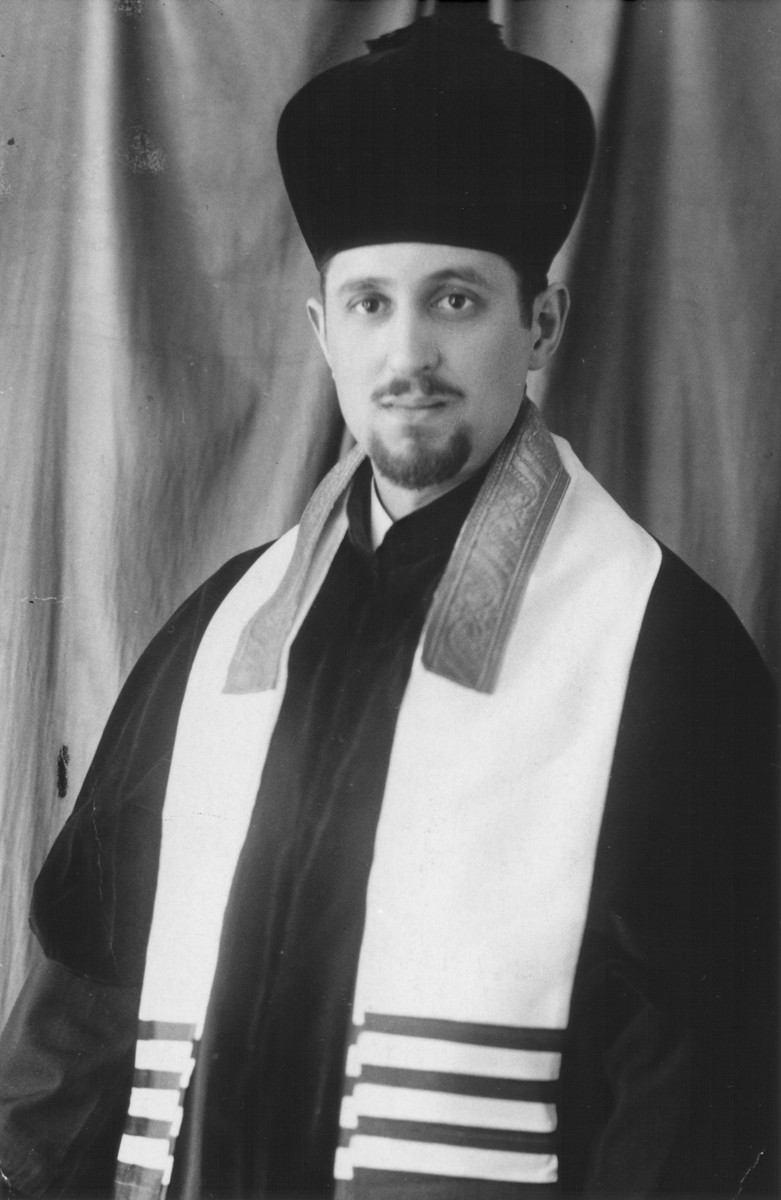
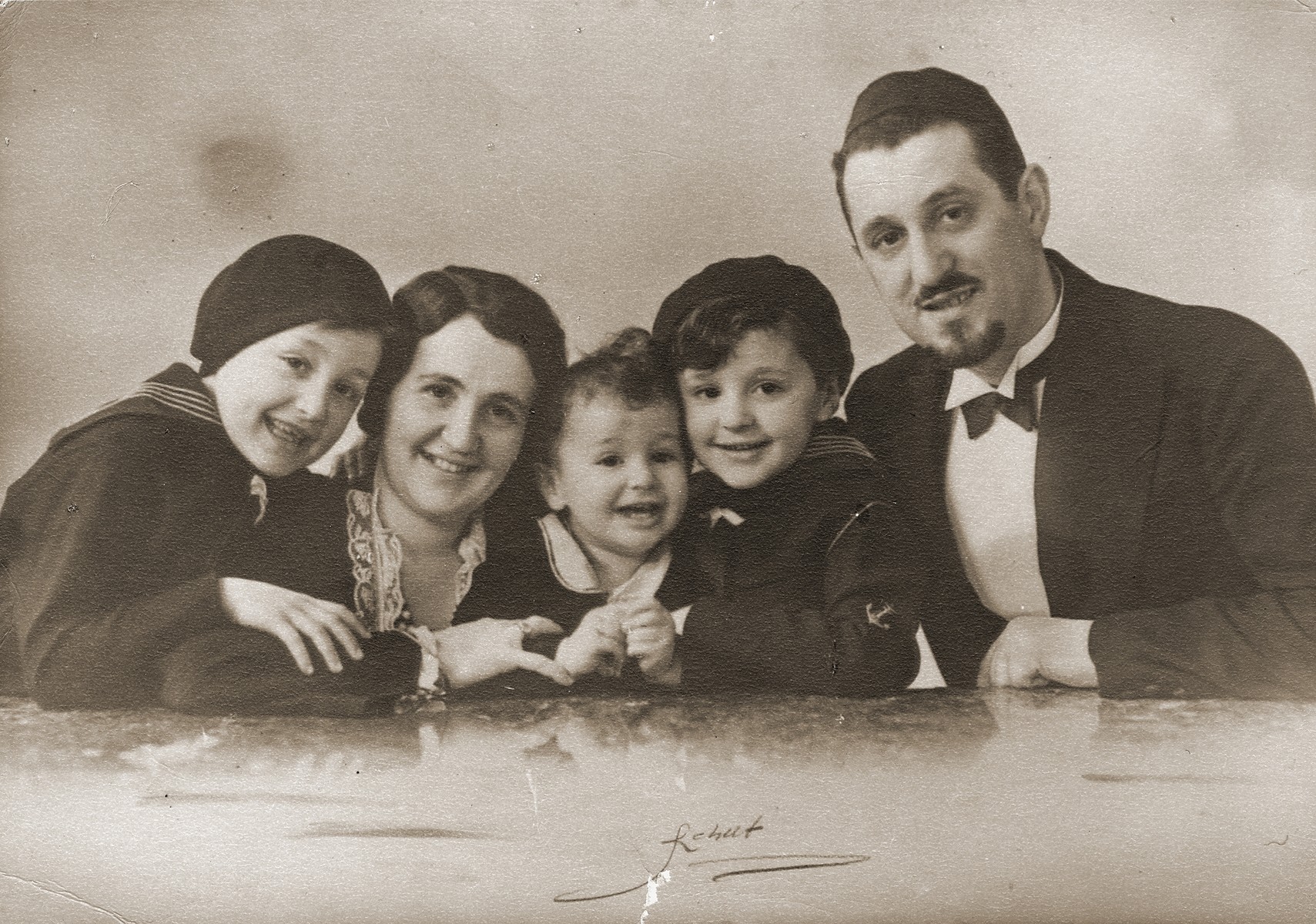
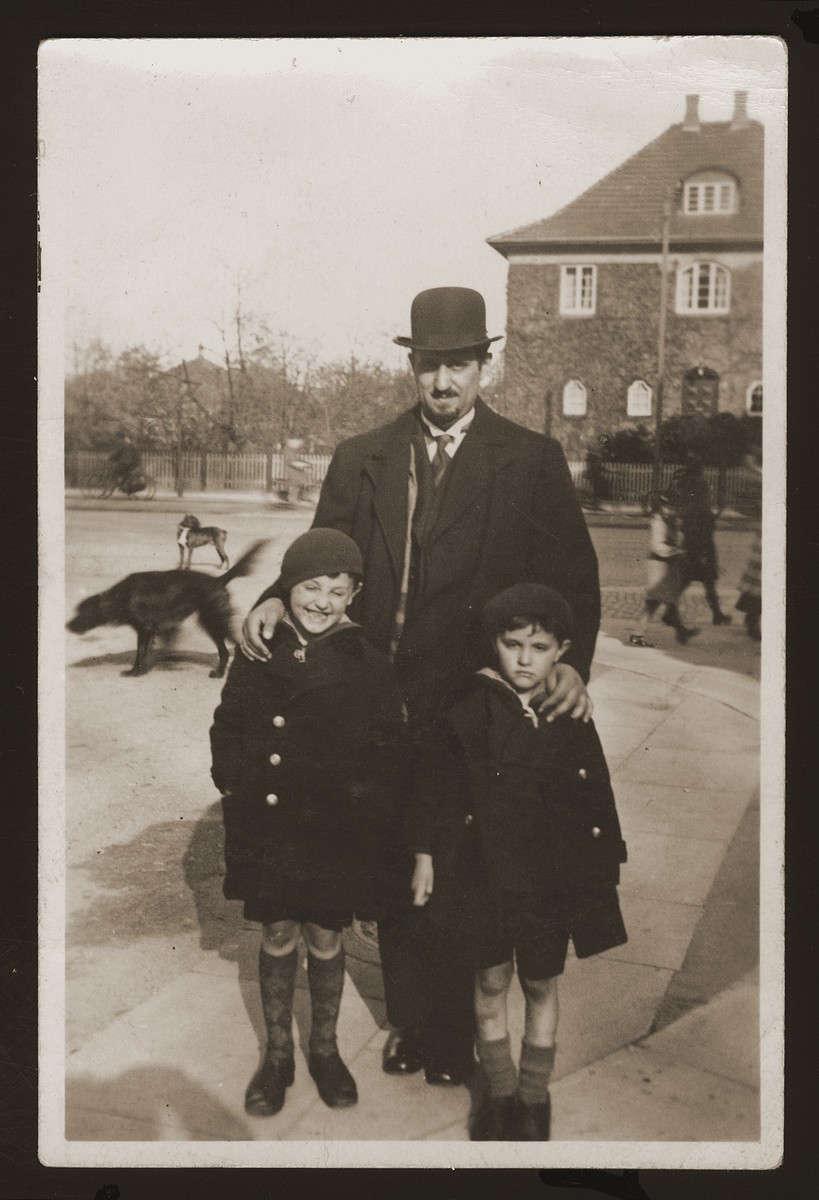
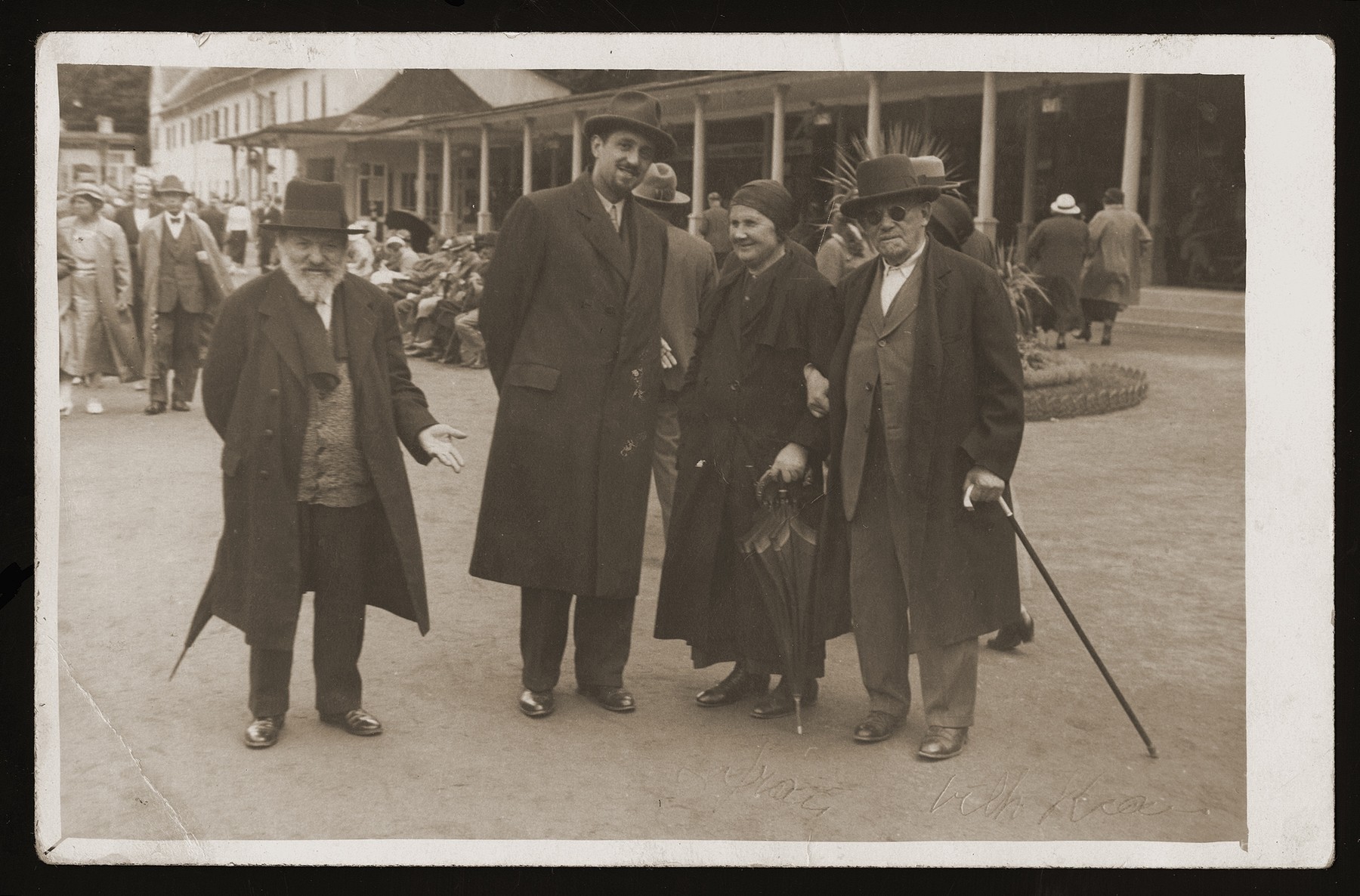
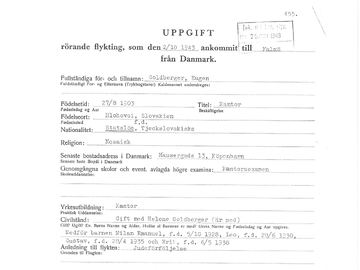
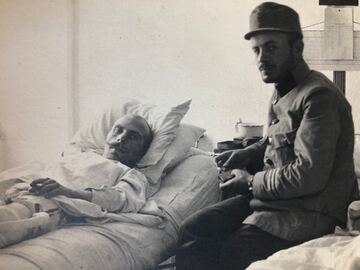
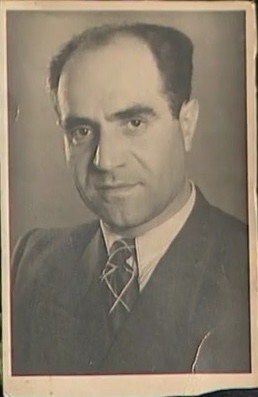
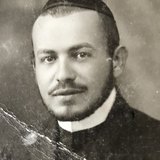
Markus died at Zsámbokrét on 5 May 1879. The Jewish death register enters him as ‘Markuz Goldberger, Kantor’, born at Nagy-Kosztolány, aged 72, of a paralysis of the lungs. About ten years later Emanuel came home to the village and took up the same post, signing at its weddings as his father had done for thirty years. Ashkenazi children were named only for the dead, and none of Emanuel’s sons born in Markus’s lifetime was called Yaakov; his youngest, Eugene, born in 1903, was. The USHMM photo archive calls Emanuel a fourth-generation cantor; Markus would be the third.
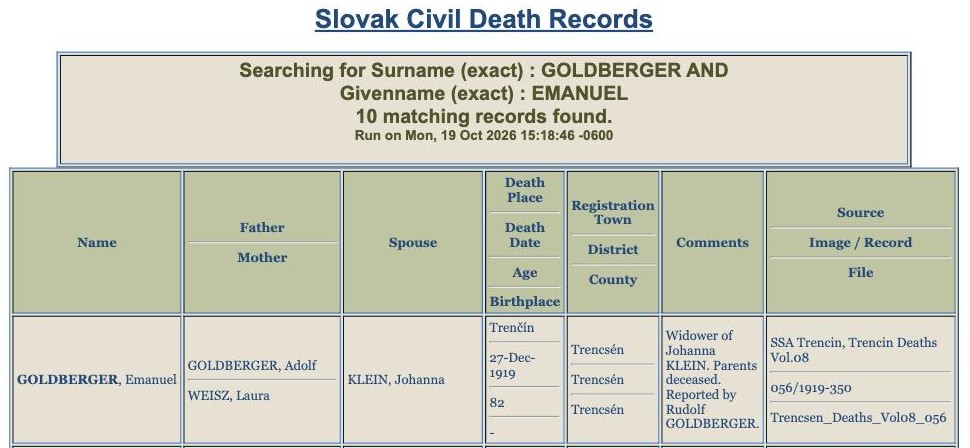
How sure is this? No record yet says in so many words that Markus was Emanuel’s father, and Emanuel’s birth entry has not been found. The case rests on the same village and office, the right age, Emanuel succeeding to the post, the Goldberg and Goldberger spellings shared by Markus and Lipót, and the names Emanuel gave his children. One puzzle remains: Emanuel’s 1919 death record, reported by his son Rudolf, calls his father Adolf. An Adolph Goldberger, a merchant, married at Zsámbokrét in 1852 with Markus as witness, very likely a relative, which may be how that name entered a grandson’s memory. So the family keeps all three names together: Markus in the registers, Yaakov by tradition, and Adolf in 1919. The identification is strong, but still circumstantial.